

By the end of this article, parents will gain a deeper understanding of strategies they can use to help manage challenging behaviors. Here are eight practical approaches to support positive changes and emotional regulation in children.
1. Examine the Circumstances Surrounding Behaviors
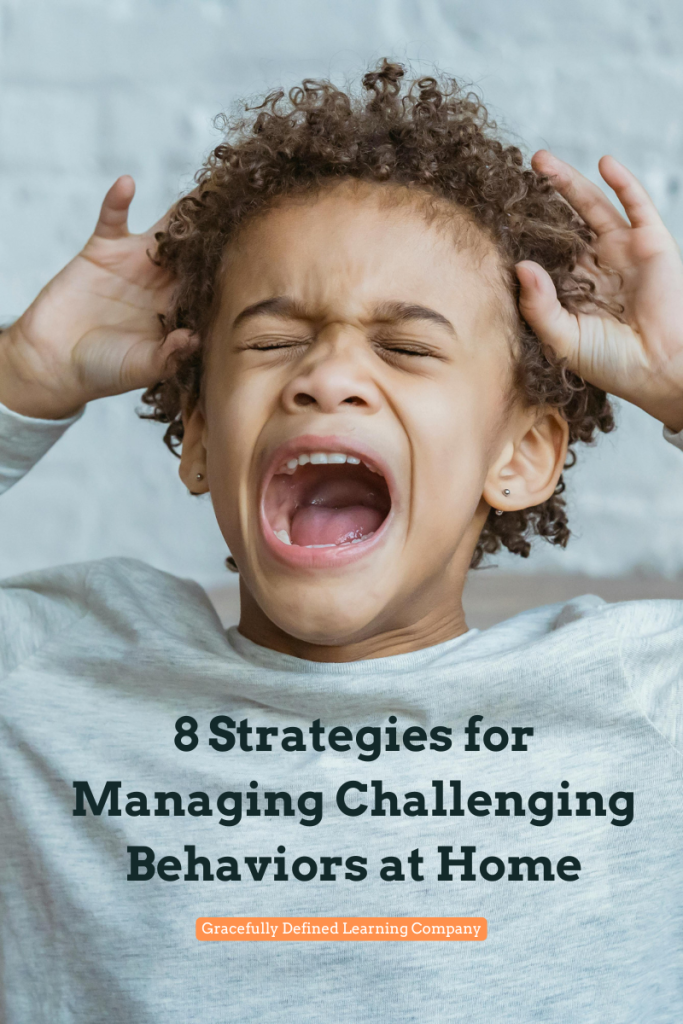
Before attempting to make changes, start by observing the context around different behaviors. Note any changes in your child’s environment over the past few days or weeks that might have influenced their actions. Take the time to consider what typically happens before and after the challenging behavior and what emotions may be expressed or felt. Listing these behaviors and observations can reveal patterns and help guide your approach.
2. Create a Calm-Down Space
Set up a designated space in your home where your child can go to calm down when feeling overwhelmed. Include soothing items like soft pillows, a favorite blanket, or sensory toys to create a comforting environment. This calm-down space provides a positive outlet for managing emotions and can be a helpful tool for self-regulation.
3. Avoid Over-Talking or Overreacting
In challenging behaviors, try to limit excessive talking or intense reactions. (Disclaimer: If the behavior is harmful or dangerous, please respond appropriately.) Otherwise, waiting until you and your child are calm is often more effective before addressing the behavior. It can be difficult to manage challenging situations when everyone involved is highly emotional, so try to save discussions for a later, calmer moment.
4. Model Expected Behaviors
Once your child is calm, model the behavior you’d like to see. Keep instructions simple, use clear actions, and do it with enthusiasm. For example, if you’re teaching deep breathing as a calming technique, try demonstrating “bubble breathing” by showing your child how to take a deep breath like blowing a bubble. Modeling positive behaviors helps children learn by example.
5. Establish a Reward System
Introduce a reward system to encourage positive behavior. This could include sticker charts, check marks, or positive feedback for behaviors you’d like to see more of. Rewards provide incentives that make positive actions feel valuable, helping children focus on achieving specific goals.
6. Avoid Blame, Shame, or Condemnation
Avoid any language that blames, shames, or condemns your child for their behaviors. This can create an unsafe environment and may hinder their willingness to express emotions or improve their behaviors. By fostering a safe and supportive atmosphere, children can feel more comfortable addressing their actions and making positive changes.
7. Teach Emotional Awareness
Many children struggle with identifying and expressing their emotions. Teaching them about different emotions, such as with an emotions wheel or visual aids, can give them the tools to name and understand their feelings. This helps children become more aware of what they’re experiencing, which can reduce frustration and improve emotional expression over time.

8. Be Mindful of Timing
When addressing challenging behaviors, timing is key. If your child is in the middle of a behavioral episode, it’s often unlikely they’ll understand or benefit from attempts at correction in that moment. Wait until they are calm, and then discuss the behavior in a way that promotes understanding and allows for improvement.
Implementing these strategies at home can help create a calmer, more understanding environment. Remember, positive change takes time, so be patient and consistent. Each approach supports your child in learning healthy ways to manage their emotions and actions, leading to a more harmonious home for everyone.
Great tips